Is Numbness After HIFU Normal or a Red Flag?
If you’ve recently undergone a HIFU (High-Intensity Focused Ultrasound) treatment such as Ultherapy or Ultherapy Prime and are now experiencing numbness, you probably want to know: is this normal, or a sign you should see your doctor immediately? Among the various sensations post-treatment, temporary numbness is one that often causes worry. In this article, we’ll break down why numbness can occur after HIFU, when it’s expected, and when to be alert. We’ll also clarify common misconceptions including pricing transparency in Singapore clinics.
Understanding What HIFU Treats: Surface, Dermis, and Structural Lifting
First off, let's ask an important question: what layer are we actually treating? This helps us understand why numbness might happen.
- Surface Tightening: Typically involves superficial skin layers — epidermis and upper dermis. Anti-aging creams and mild RF (radiofrequency) devices usually act here.
- Dermal Tightening: Targets deeper dermis for collagen stimulation. Many RF and some ultrasound treatments focus here.
- Structural Lifting: The real “game-changer” layer is the SMAS (Superficial Musculo-Aponeurotic System). It’s a fibrous network beneath the deeper dermis, connected to facial muscles.
HIFU devices like Ultherapy use focused ultrasound energy to stimulate collagen remodeling specifically in the SMAS layer. This structural lifting effect is what non-invasive facelifts aim for, and it’s deeper (about 4.5mm beneath the skin).
Ultherapy MFU-V and Real-Time Imaging: Why It Matters
One key differentiator for Ultherapy and its upgraded version Ultherapy Prime is the use of real-time ultrasound imaging. The HIFU MFU-V device visualizes layers beneath your skin live, so the practitioner can target the SMAS safely and effectively.
- Helps ensure energy is delivered exactly where intended (not too superficial or superficial).
- Reduces risk of accidental damage to nerves or surrounding tissue.
- Allows precise depth targeting: typical depths used are 1.5mm (deep dermis), 3.0mm (deep dermis/SMAS interface), and 4.5mm (SMAS).
Without this imaging, treatments become more “blind,” increasing risks of side effects or less optimal outcomes.
Depth Targeting, SMAS, and Nerves: Why Temporary Numbness Happens
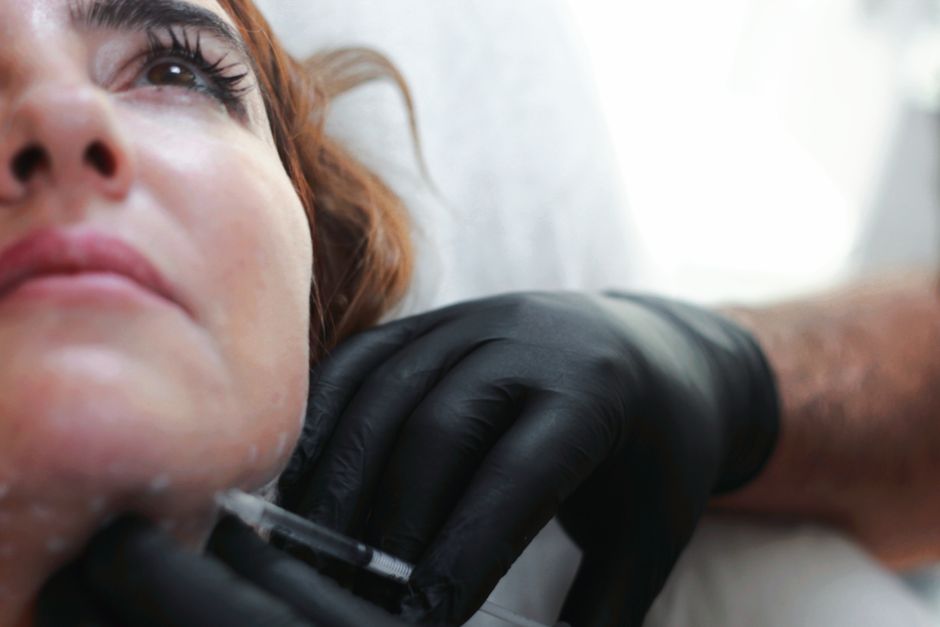
The key question: where are the nerves in relation to the energy target? During Ultherapy treatment, ultrasound energy penetrates to the SMAS or deep dermis layer, which is close to some sensory nerves.
Here's what can happen:
- Nerve Proximity: The sensory branches of the trigeminal or facial nerve lie near the SMAS layer. Mild thermal injury or edema can temporarily affect nerve function.
- Temporary Nerve Irritation: Heating the SMAS can cause transient inflammation near nerves, resulting in numbness, tingling, or altered sensation.
- Asymmetry Risk: Uneven energy delivery or variable nerve proximity can lead to asymmetric numbness or mild facial asymmetry temporarily.
In most cases, this numbness resolves within days to weeks as inflammation subsides and nerves recover.
What Does “Temporary” Mean?
Temporary numbness typically:
- Appears within hours to a couple of days post-treatment.
- Improves gradually over 2 to 8 weeks.
- Is not accompanied by severe pain, muscle weakness, or persistent facial drooping.
If numbness lasts beyond 3 months, or worsens, or you develop new neurological symptoms, it warrants prompt medical assessment.

RF Heating vs. Ultrasound: Limits to Collagen Stimulation and Nerve Safety
Many clients confuse RF (radiofrequency) and HIFU. Both use heat to stimulate collagen, but their mechanisms differ:
Feature Radiofrequency (RF) High-Intensity Focused Ultrasound (HIFU) Depth Targeting Superficial to mid-dermis (~1-3mm) Deep dermis to SMAS (~1.5 to 4.5mm) Heating Method Electrical current → resistive heating Focused ultrasound waves → microthermal zones Imaging No real-time imaging Ultrasound imaging for precise targeting Nerve Risk Low (acts on superficial layers) Moderate (close to nerve branches) Typical Side Effects Redness, mild swelling, temporary tingling Temporary numbness, swelling, mild tendernessDue to proximity to nerves, HIFU carries a higher chance of temporary sensory disturbance but offers more profound lifting results than RF alone.
Common Clinic Hurdle: No SGD Pricing Provided
Here’s a complaint I hear often: “Why do many Singapore clinics not publish Ultherapy pricing in SGD up front?” This leads to confusion and hidden costs for patients planning treatments.
The challenge is:
- Ultherapy’s cost depends on treatment depth, coverage area, and practitioner expertise.
- Some clinics quote price in USD or from overseas sources, causing currency conversion headaches.
- Package offers and device versions like Ultherapy Prime often carry different prices but are not transparently disclosed.
My tip: Always ask your clinic specifically for a customized SGD quote including consultation, treatment, consumables, and follow-up. Avoid vague “from $xxx” listings without context.
When to Seek Medical Advice: Red Flags for Numbness After HIFU
Temporary numbness is normal when it’s mild and resolves over days to weeks. However, watch out for these warning signs:
- Numbness persisting beyond 3 months.
- Sensory loss expanding beyond the treated area.
- Development of muscle weakness or facial droop.
- Severe pain or burning sensation.
- Signs of infection (redness, pus, fever).
If any of these occur, see your doctor or the treating physician promptly for a thorough neurological assessment.
Summary: What You Need to Remember
- HIFU like Ultherapy targets the SMAS layer for structural lifting, which lies close to facial sensory nerves.
- Temporary numbness is a known side effect caused by nerve irritation from thermal injury but usually resolves within weeks.
- Real-time ultrasound imaging in Ultherapy reduces nerve risks by improving depth accuracy.
- RF heating is more superficial and less likely to cause numbness but offers less lifting.
- Check clinic pricing carefully and request transparent SGD rates before booking treatments.
- Consult a healthcare professional if numbness worsens or persists beyond expected timelines.
Final Thoughts
When it comes to HIFU treatments like Ultherapy and Ultherapy Prime, temporary numbness can be trulyexpatlifestyle.com an unsettling but usually harmless part of the healing process. Understanding which layer is targeted and how close nerves are helps put symptoms in context. Reputable clinics respect transparency — from pricing (in SGD!) to side effect disclosures. You deserve clear, honest conversations about your treatment goals and risks.
So, next time you feel numbness after HIFU, ask yourself: What layer are we actually treating? That’s the starting point toward knowing when to relax—and when to get checked.